Cancer Surgery

A treatment approach that removes cancer tissue through an operation when surgery is suitable.

What Is Cancer Surgery?

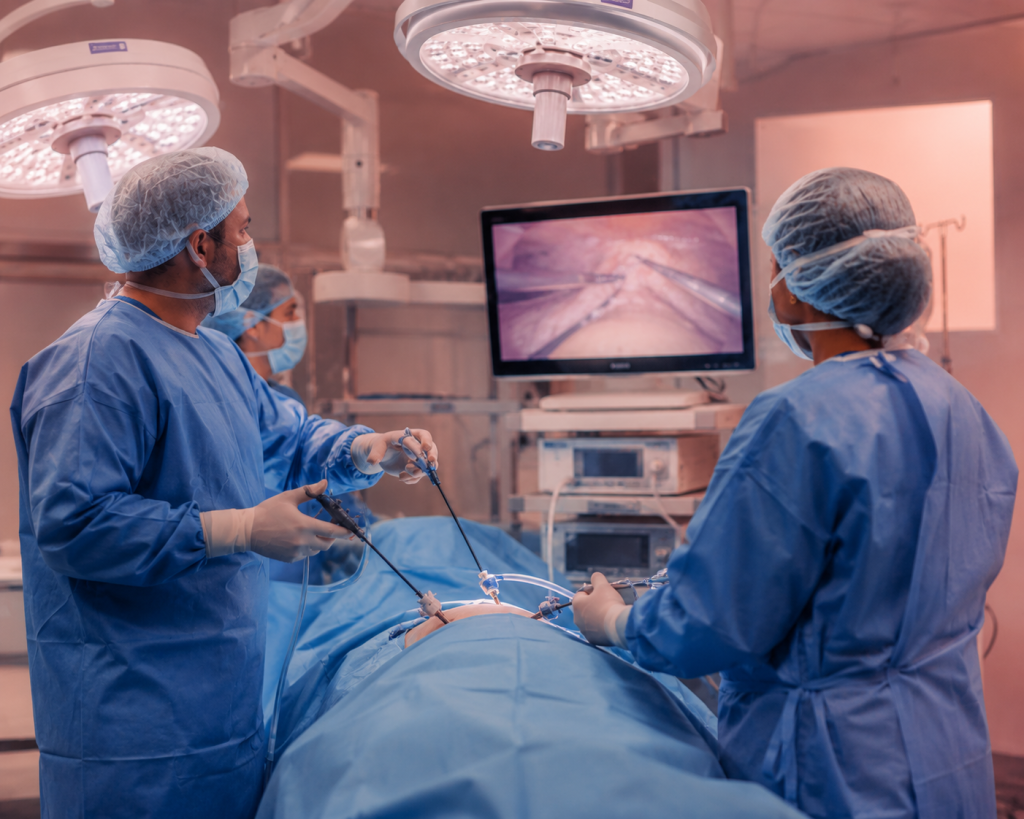
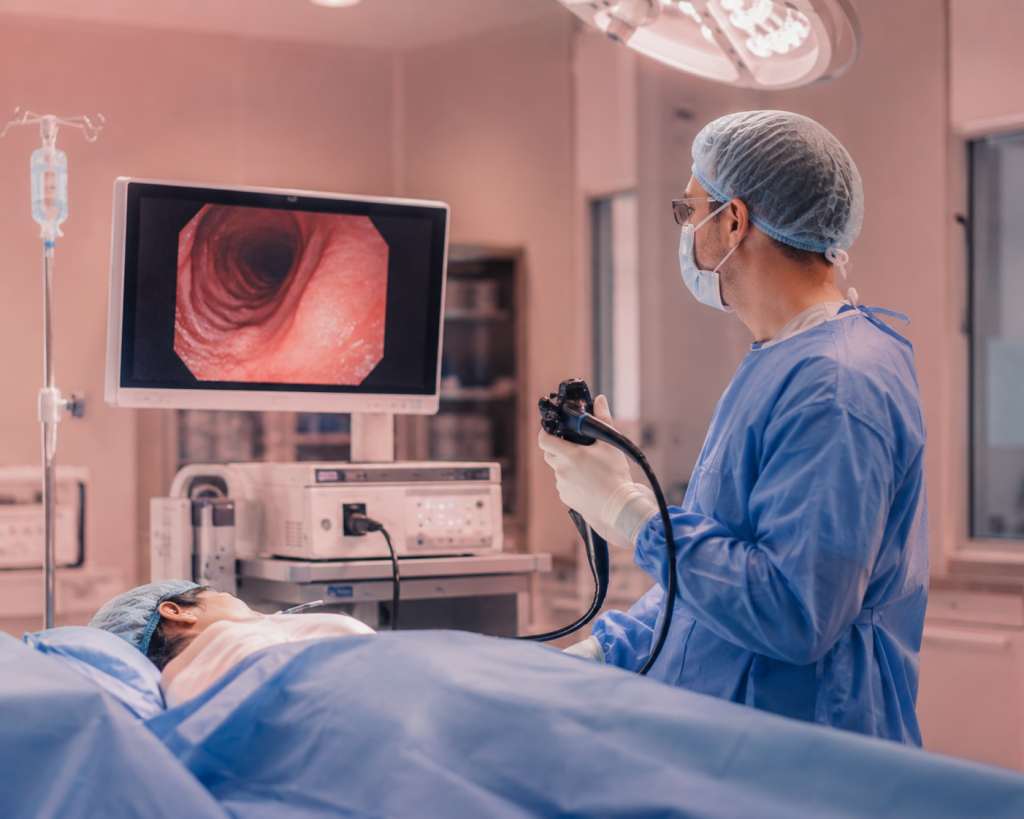
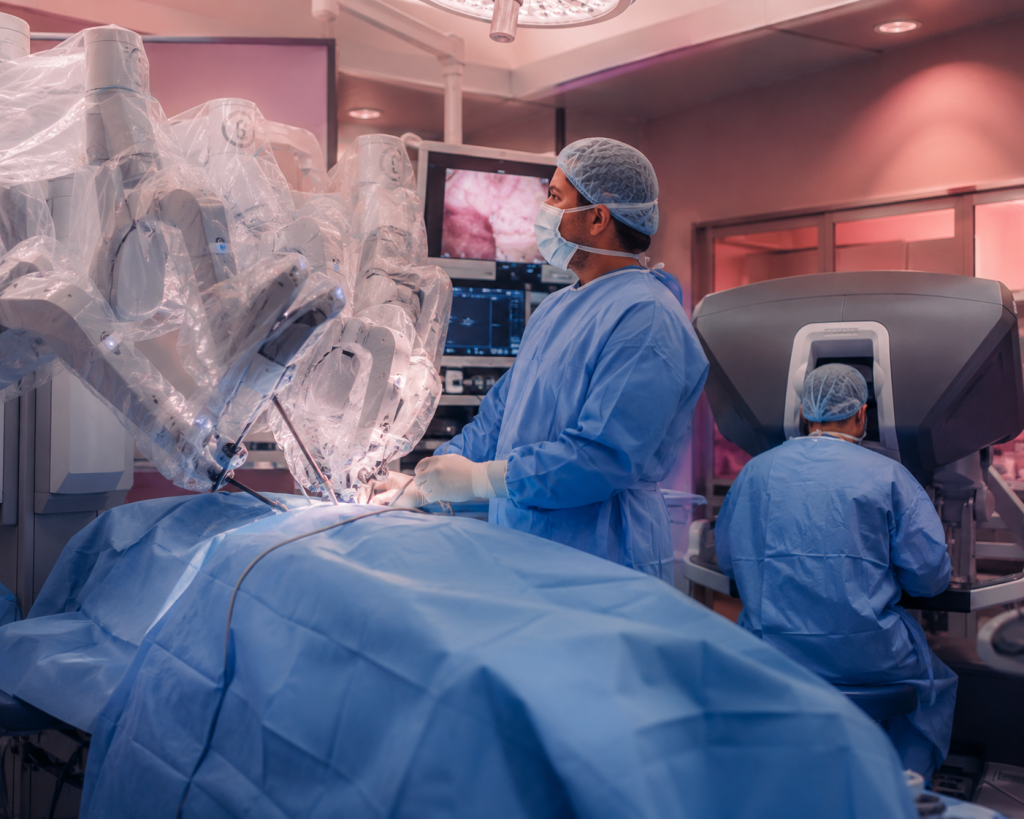
Cancer surgery removes tumors or cancer-affected tissue from the body. It may be used to treat cancer, confirm diagnosis, check cancer spread or relieve symptoms.

Surgery is commonly considered when the tumor is localized and can be removed safely.

SCROLL

When Surgery May Be Considered

Surgery may be considered when:

The tumor is in one main area

The cancer has not spread widely

The tumor can be removed safely

The patient is fit for anesthesia

Surgery can improve symptoms or treatment outcome

Before & After Surgery

Before Surgery

· Blood tests

· Imaging scans

· Anesthesia assessment

· Medication review

· Heart and lung checks

· Surgical risk discussion

After Surgery

· Wound care

· Pain control

· Recovery monitoring

· Final pathology report

· Follow-up treatment planning

Benefits & Risks

Possible Benefits

May remove visible tumor

Can confirm cancer stage

May reduce cancer burden

Can improve symptoms

May support long-term control in selected cases

Precise delivery

Bleeding

Infection

Pain

Wound healing problems

Anesthesia risk

Organ-related complications

Common questions about cancer surgery

Is surgery needed for every cancer?

No. Some cancers are treated with medicine, radiation or other methods.

For some early-stage cancers, surgery may remove all visible disease, but outcome depends on many factors.

Doctors review the final pathology report and decide if further treatment is needed.

Not always. The safest method depends on the case.

Need Help?