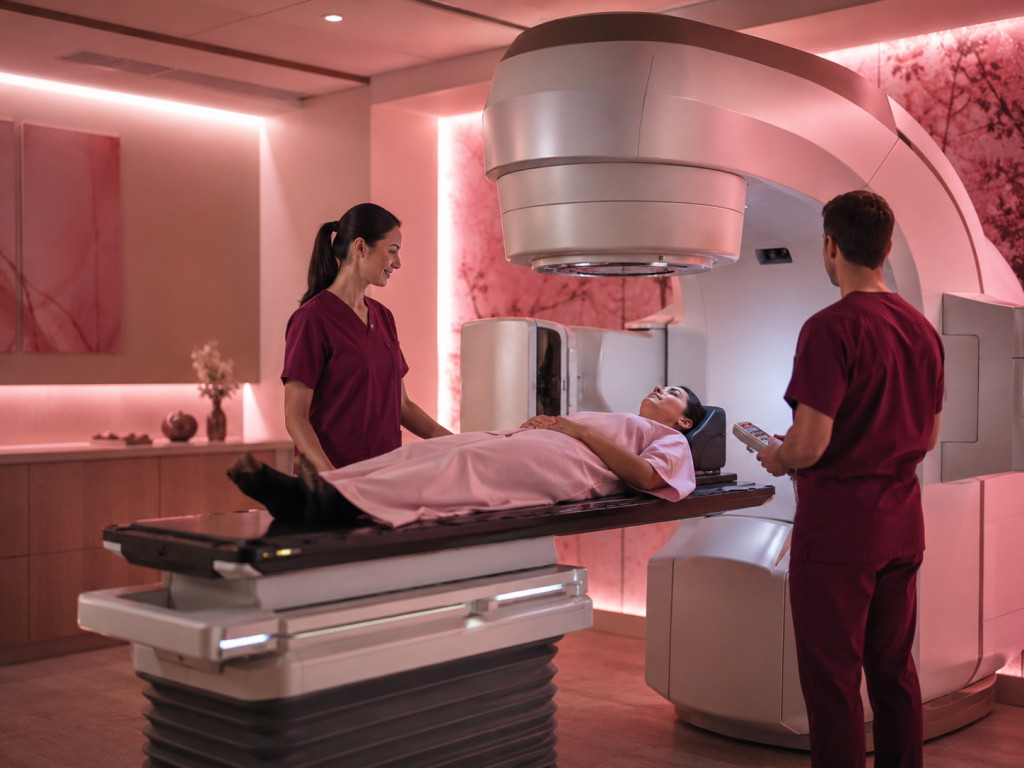
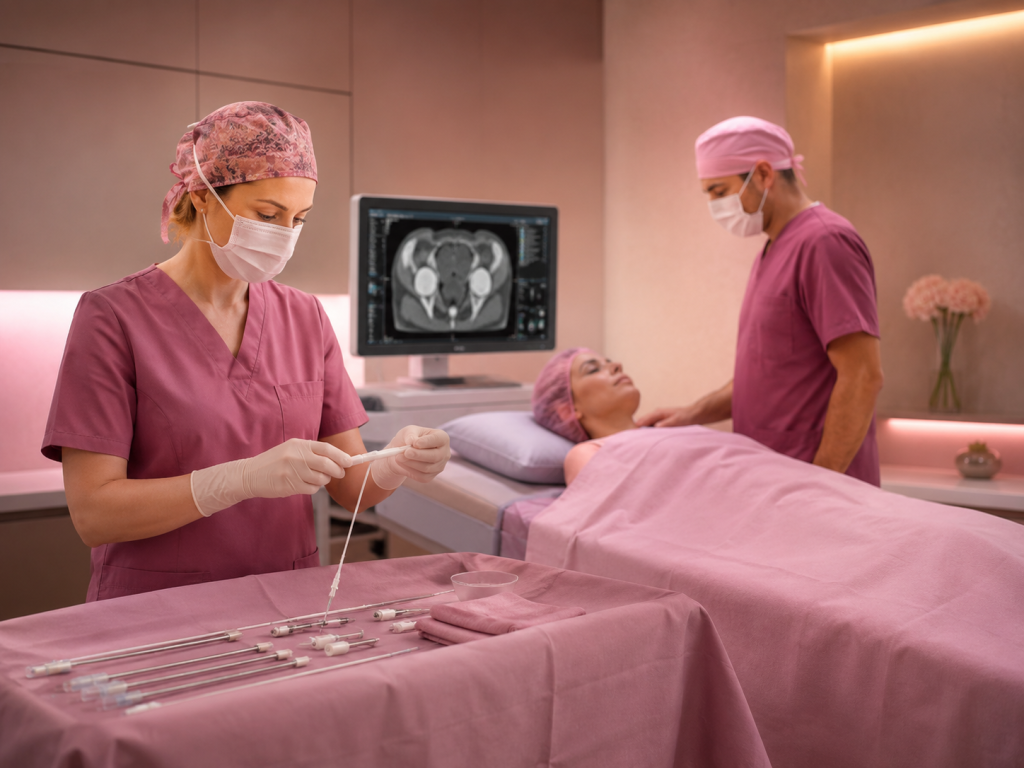
A cancer treatment that uses high-energy radiation to target and control cancer cells.
What Is Radiation Therapy?
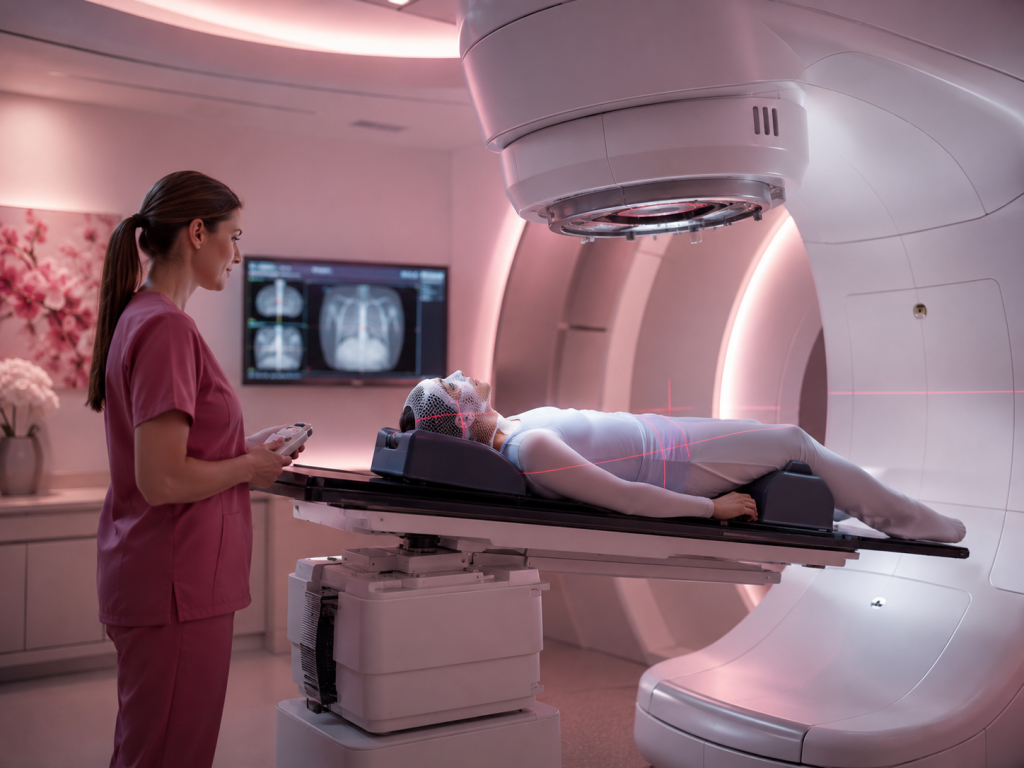
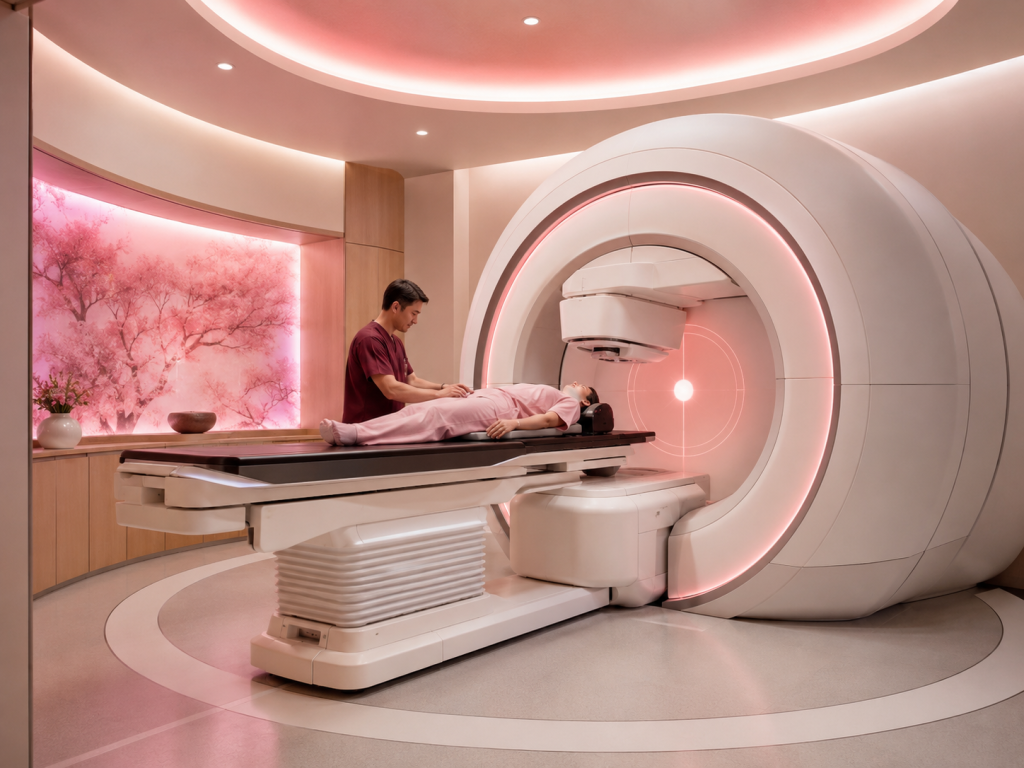
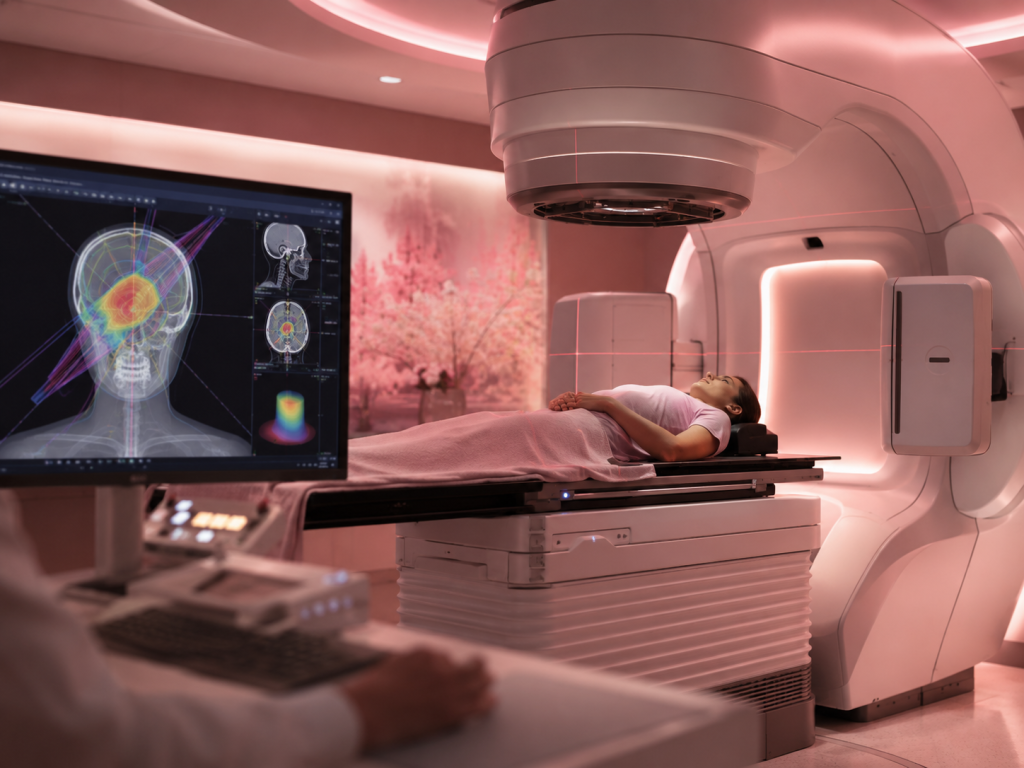
Radiation therapy uses high-energy rays to damage cancer cells and stop them from growing. It may be used alone or together with surgery, chemotherapy, immunotherapy or targeted therapy.
The treatment is carefully planned based on the cancer type, tumor location and treatment goal.
Radiation therapy is not the same for every patient. The number of sessions, treatment area and side effects depend on the patient’s condition and treatment plan.
Doctors usually need imaging scans and medical reports before planning radiation treatment.
Common questions about radiation therapy
Is radiation therapy painful?
The treatment session itself is usually not painful, but side effects may happen during or after treatment.
How many sessions are needed?
It depends on the cancer type, tumor location and doctor’s plan.
Is radiation therapy the same as chemotherapy?
No. Radiation targets a specific body area, while chemotherapy travels through the body.
Can radiation therapy be combined with other treatments?
Yes, it may be combined with surgery, chemotherapy, immunotherapy or targeted therapy.