PROTON THERAPY

A precise form of radiation therapy that may help treat selected cancers while reducing unnecessary radiation exposure to nearby healthy tissues.

What Is Proton Therapy?

Proton therapy is a type of radiation therapy used to treat cancer and some non-cancerous tumors. Instead of using traditional X-rays, proton therapy uses proton particles to deliver radiation to the tumor area. The main feature of proton therapy is precision. Protons can be planned to release most of their energy at the tumor site, with less radiation continuing beyond the target area. This may help reduce damage to surrounding healthy tissues, especially when the tumor is located near important organs or sensitive body structures. Proton therapy is not a treatment for every cancer patient. Whether it is suitable depends on the cancer type, stage, tumor location, previous treatment history and the patient’s overall condition.

SCROLL

How Proton Therapy Works

Imaging & mapping

Doctors study CT, MRI, PET-CT or other scans to understand the tumor’s size, shape, position and nearby organs.

Treatment planning

The radiation oncology team calculates the dose, angle, depth and number of treatment sessions needed for the case.

Precise delivery

During treatment, proton beams are directed toward the planned target area. The patient’s position is carefully checked each session.

When proton therapy may be considered

Proton therapy may be considered when doctors want to treat the tumor while reducing radiation exposure to nearby healthy tissues. This can be especially important when the tumor is near sensitive organs or critical body structures.

1. Tumors near sensitive areas:

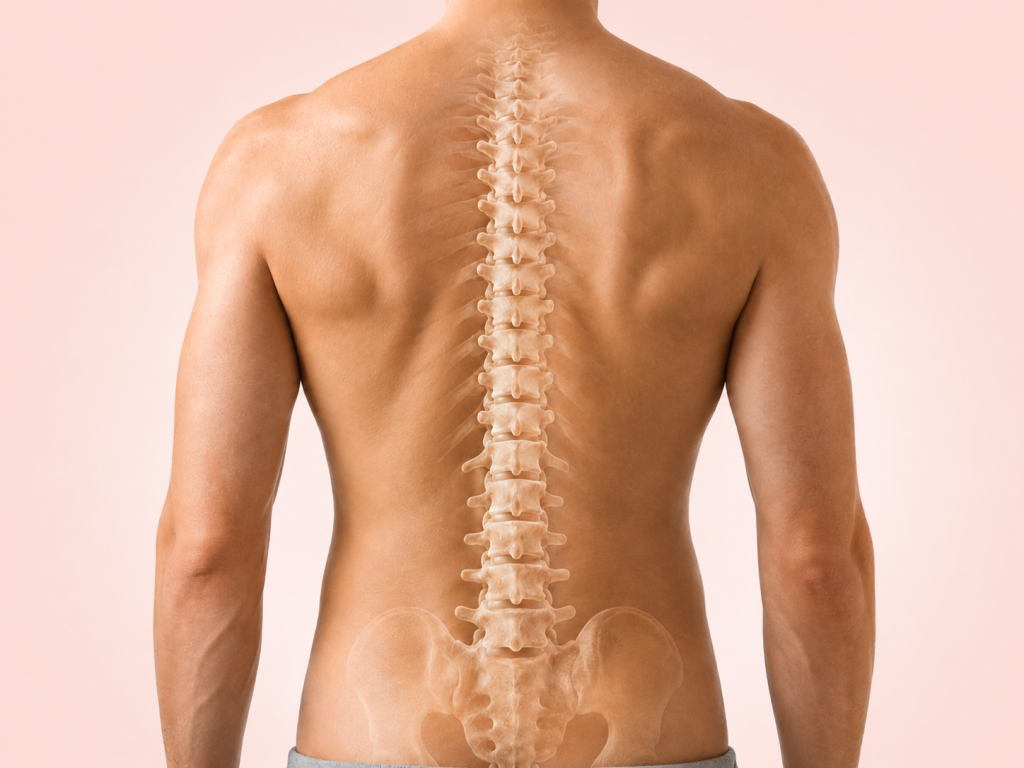
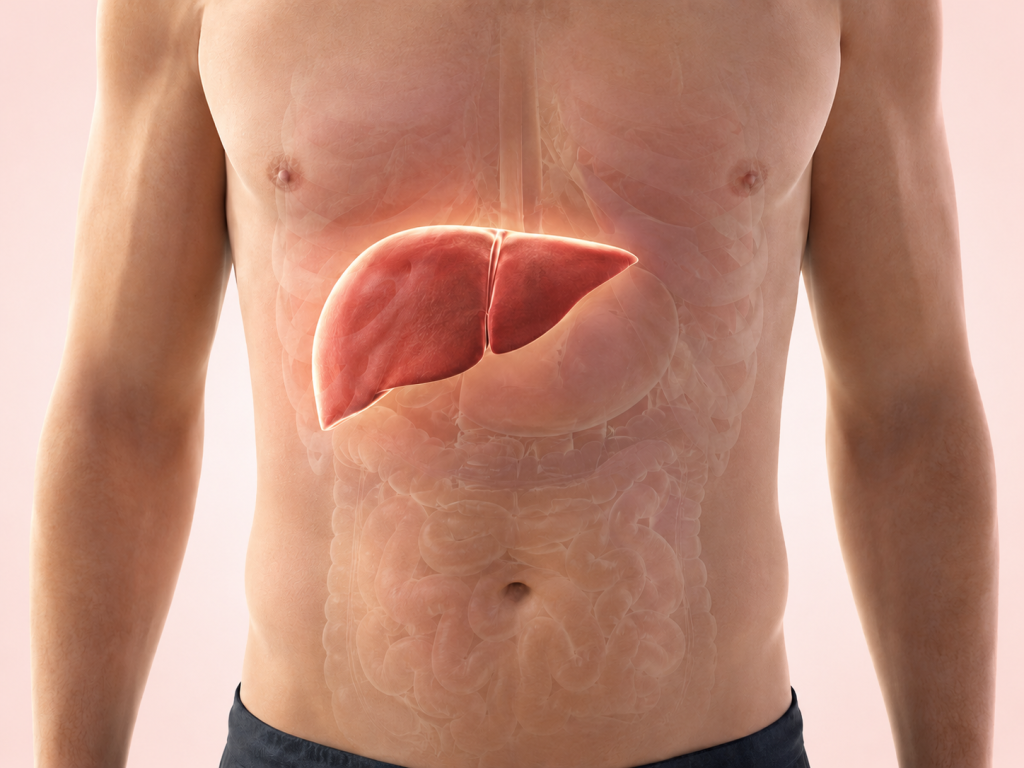
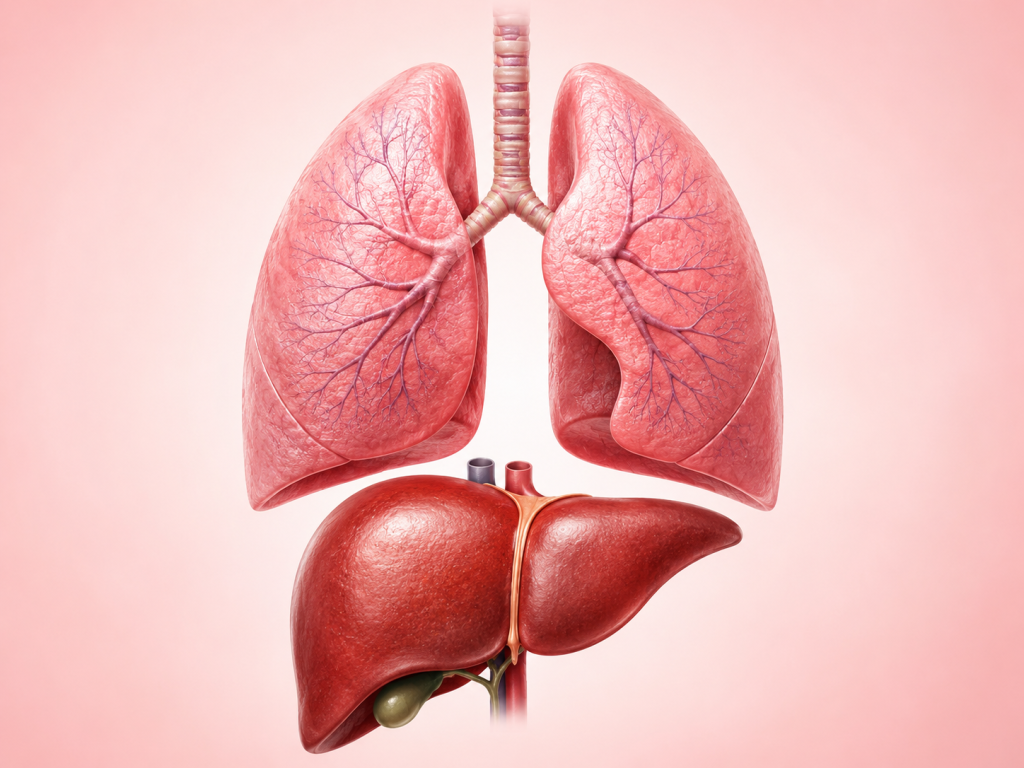
Examples include tumors near the brain, eyes, spine, head and neck region, heart area, lung, liver or other important organs.

Brain

Eye

Spine

Head and neck area

Lung

Heart area

Liver

Prostate

Others…

2. Pediatric or younger patients

For selected children or younger patients, doctors may consider techniques that help reduce unnecessary radiation exposure to developing tissues.

3. Complex or recurrent cases

Patients who have had previous radiation, recurrence, or tumors in difficult locations may need more detailed specialist planning.


Proton therapy vs conventional radiotherapy

Both treatments are forms of radiation therapy. The most suitable option depends on the patient’s condition, tumor location, available technology and treatment goal.

Proton therapy

· Uses proton particles instead of X-rays.

· Available only in selected specialized centers.

· May reduce radiation beyond the tumor in suitable cases.

· Often requires higher cost, detailed planning and travel consideration.

Conventional radiotherapy

· Usually uses X-rays or photons.

· Widely available and commonly used for many cancer types.

· Can be effective when planned properly.

· Radiation may affect tissue before and after reaching the tumor, depending on planning.